AI Sensory Augmentation: Teaching Humans to See the Invisible
AI Sensory Augmentation: Teaching Humans to See the Invisible
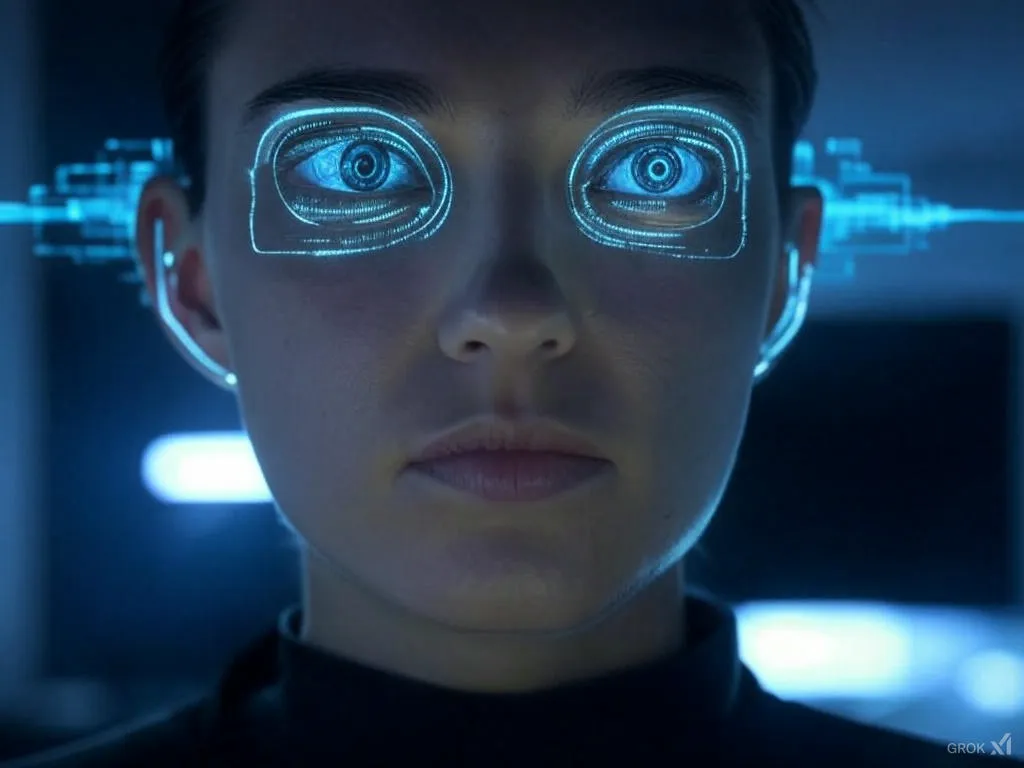
Picture this: You're walking through a building, and through your AR glasses, you can see WiFi signals bouncing off walls, thermal signatures behind closed doors, and structural stress points in the ceiling – all interpreted and visualized by AI in real-time. This isn't science fiction; it's happening right now.
The Quiet Revolution in Human Perception
Remember when we thought AI would replace human capabilities? Instead, it's dramatically expanding them. We're entering an era where AI doesn't just process information – it translates invisible phenomena into human-comprehensible experiences.
Beyond Traditional Senses
1. The Radio Frequency Whisperer
class RFPerceptionEngine:
    def __init__(self):
        self.rf_sensor = RFSensor(sensitivity="-120dBm")
        self.neural_interpreter = DeepSpectralNet()

    def translate_rf_to_visual(self, rf_data):
        spectral_map = self.neural_interpreter.process(rf_data)
        return self.generate_visual_overlay(spectral_map)
This isn't just code – it's the bridge between invisible electromagnetic waves and human vision. Real-world applications are already mind-blowing:
- Firefighters seeing through smoke using AI-interpreted thermal data
- Urban explorers visualizing century-old WiFi ghosts (signal reflections revealing building history)
- Medical professionals observing blood flow patterns through skin
2. The Ultrasonic Translator
Remember how bats navigate using sound? We're now doing something similar, but with AI processing:
def process_ultrasonic_environment(raw_signal):
    processed_signal = wavelet_transform(raw_signal)
    spatial_mapping = create_3d_soundscape(processed_signal)

    return translate_to_audible_range(spatial_mapping)
Real-World Applications That Sound Like Science Fiction
Medical Revolution
Doctors are using AI sensory augmentation to:
- "See" inflammation patterns before they're visible
- "Hear" cellular activities through amplified and translated microscopic vibrations
- "Feel" temperature variations that indicate developing pathologies
Urban Exploration
Cities are becoming transparent:
- Visualize underground utility networks through AI-interpreted ground-penetrating radar
- "See" structural stress in buildings before cracks appear
- Navigate using AI-enhanced spatial awareness that combines multiple sensory inputs
The Human-AI Sensory Interface
The magic happens in the translation layer:
class SensoryTranslator {
    constructor() {
        this.inputProcessors = {
            electromagnetic: new EMProcessor(),
            acoustic: new AcousticProcessor(),
            thermal: new ThermalProcessor()
        };
    }

    async translateToHumanPerception(rawData) {
        const processedData = await this.processMultiModal(rawData);
        return this.generateHumanFriendlyOutput(processedData);
    }
}
Ethical Considerations and Future Implications
This technology raises fascinating questions:
- When everyone can "see" through walls, what happens to privacy?
- How do we prevent sensory overload?
- What new social norms will emerge around enhanced perception?
The Path Forward
We're just scratching the surface. Current research is exploring:
- Quantum state visualization for researchers
- Gravitational anomaly detection for geologists
- Electromagnetic field perception for electricians
Getting Started with Sensory Augmentation
Want to experiment? Here's a simple starter project:
from sense_augmentor import BasicAugmentor

def create_basic_augmentation():
    augmentor = BasicAugmentor()
    augmentor.add_sensor("wifi_strength")
    augmentor.add_sensor("magnetic_field")

    return augmentor.create_visualization()
Conclusion
We're entering an era where the boundaries between human perception and AI capabilities are blurring. The future isn't about AI replacing human senses – it's about AI expanding what it means to be human.
The real question isn't whether we'll develop these capabilities, but how we'll use them to enhance our understanding of the world around us. As we stand on the brink of this sensory revolution, one thing is clear: our definition of "reality" is about to expand dramatically.